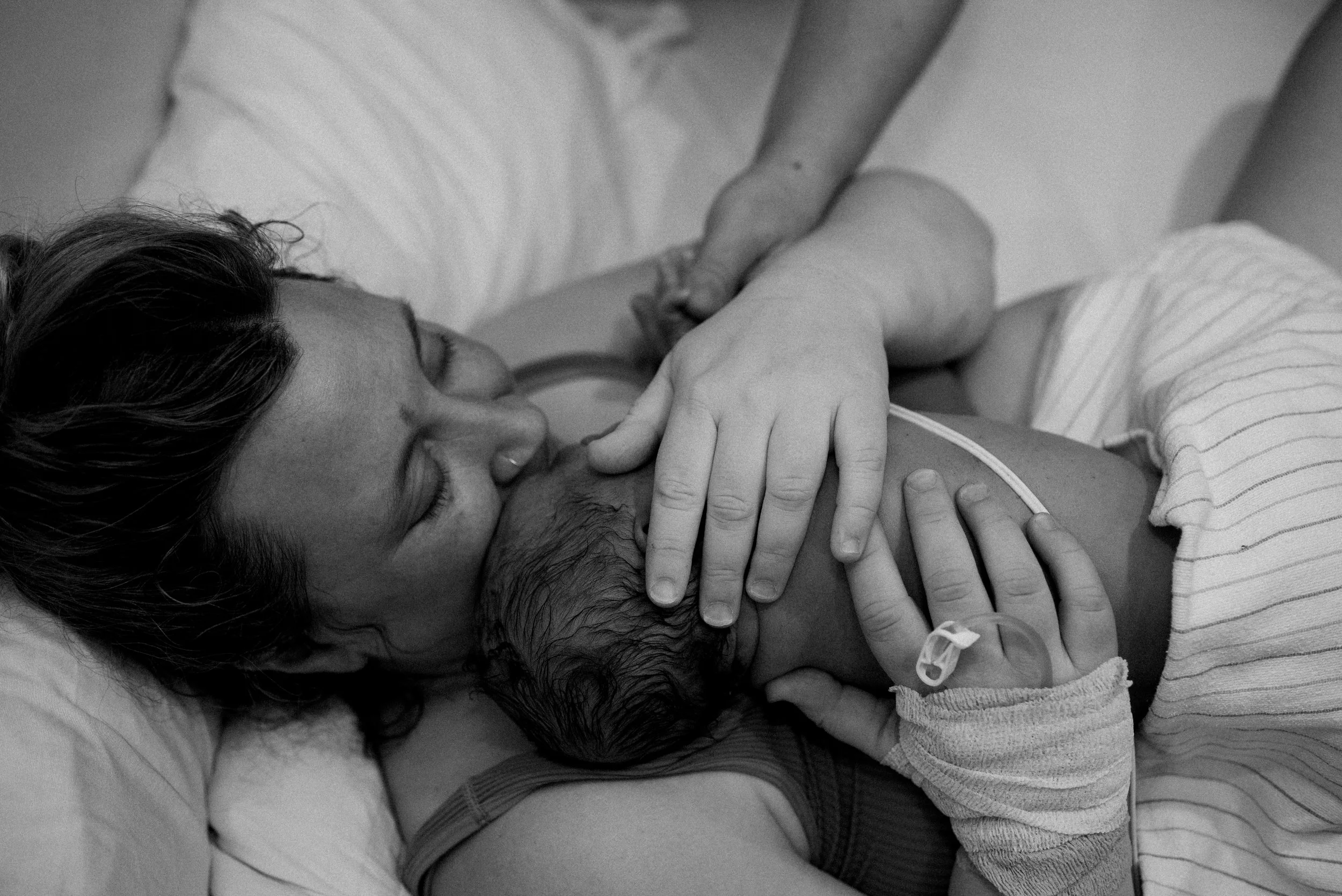
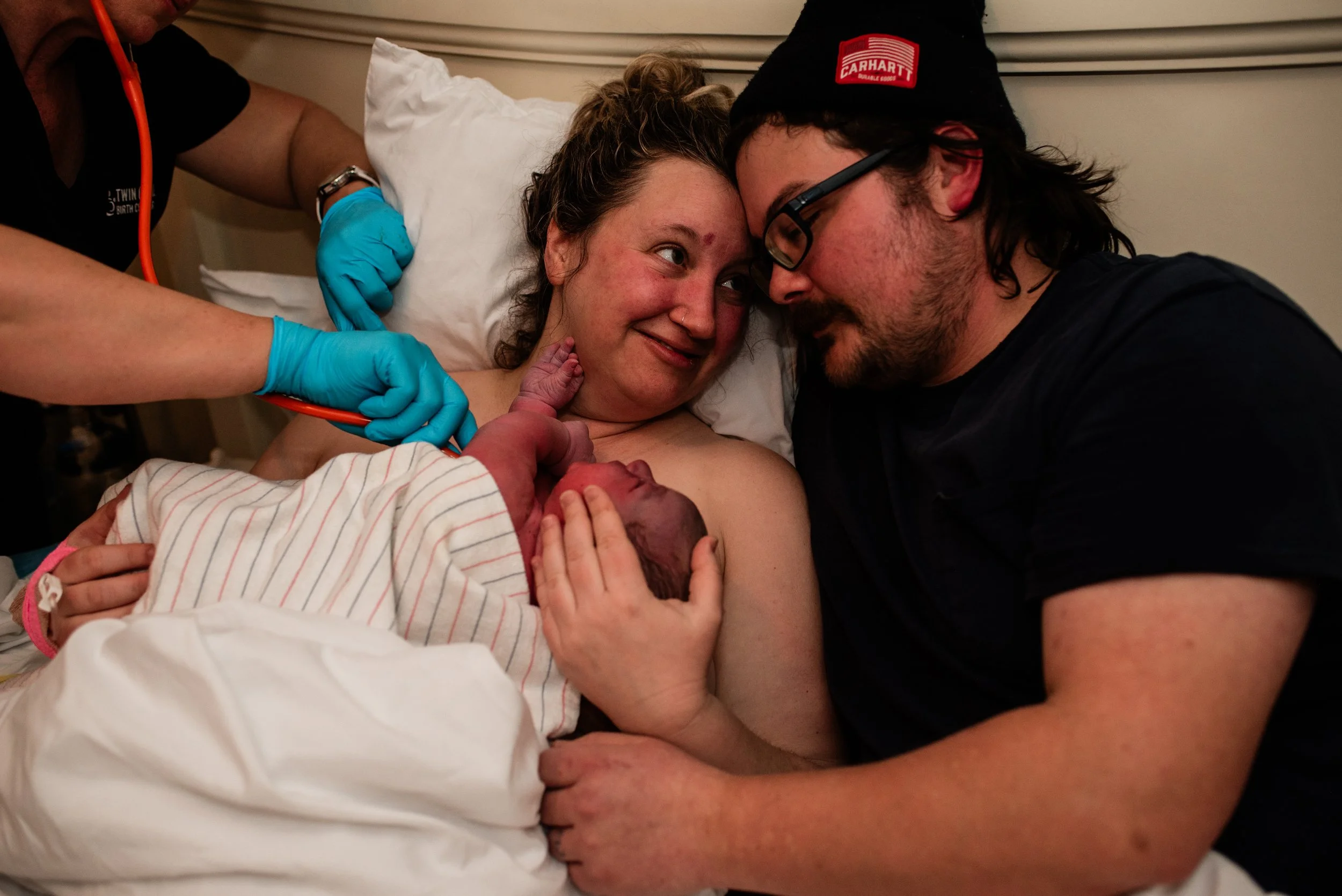
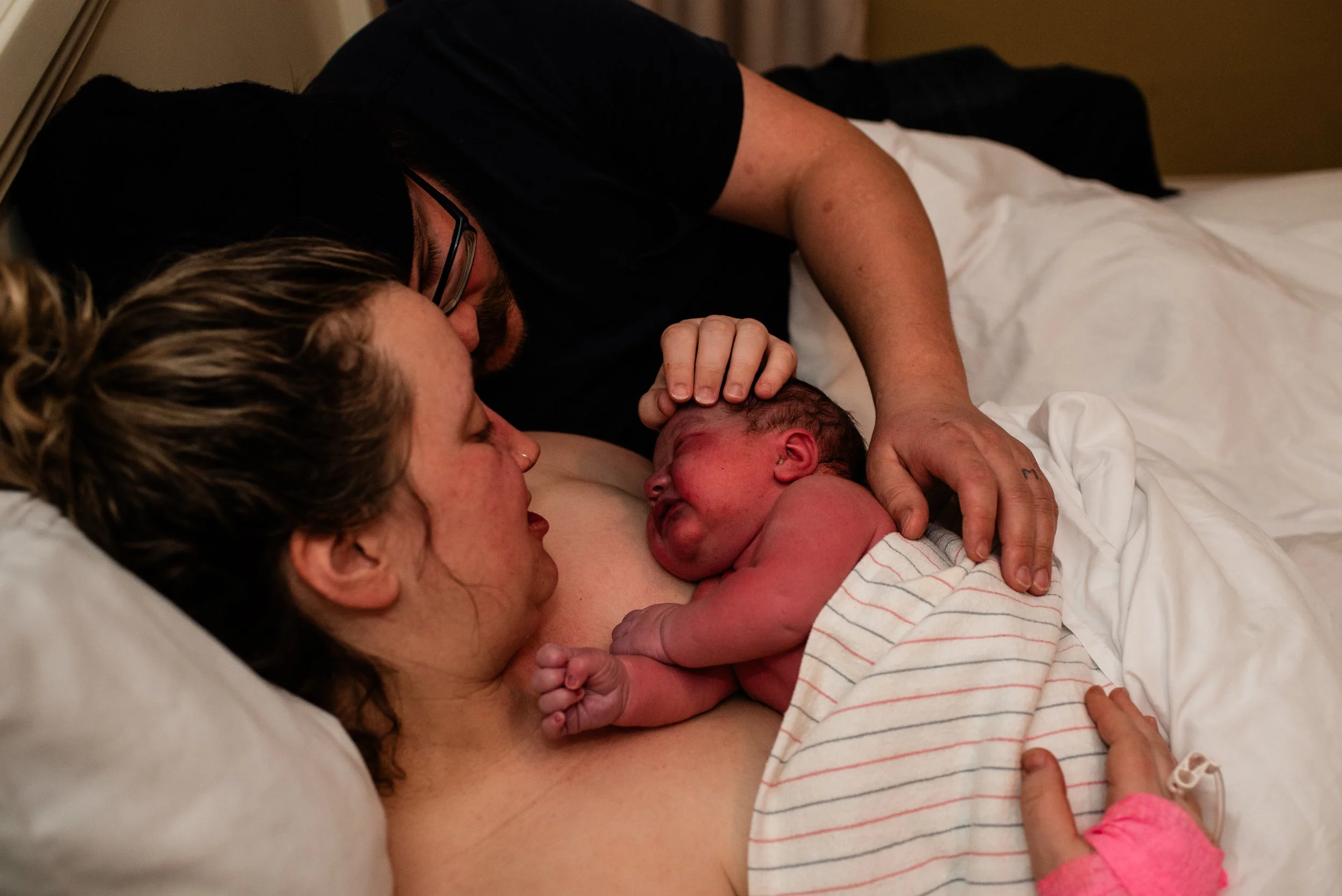
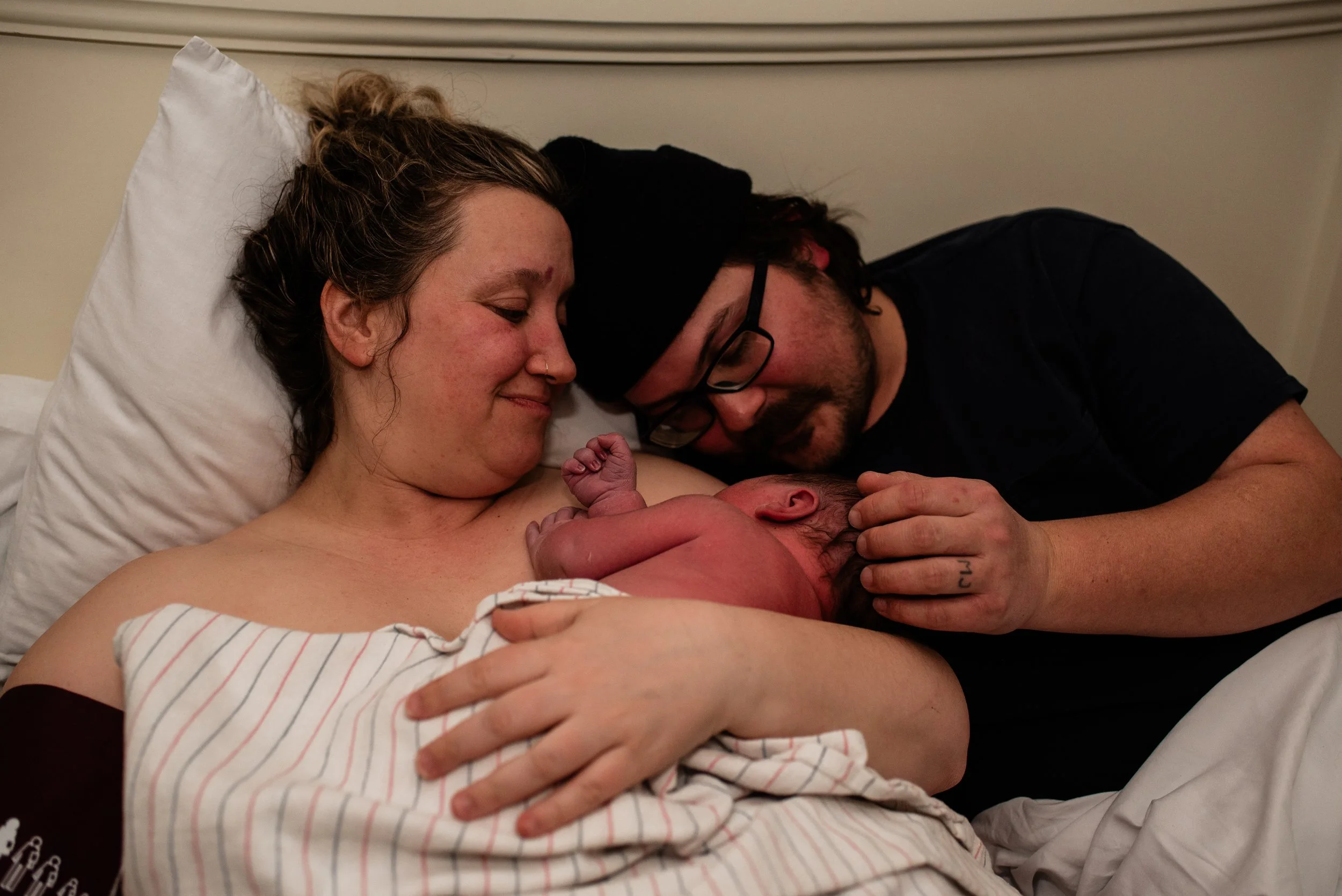
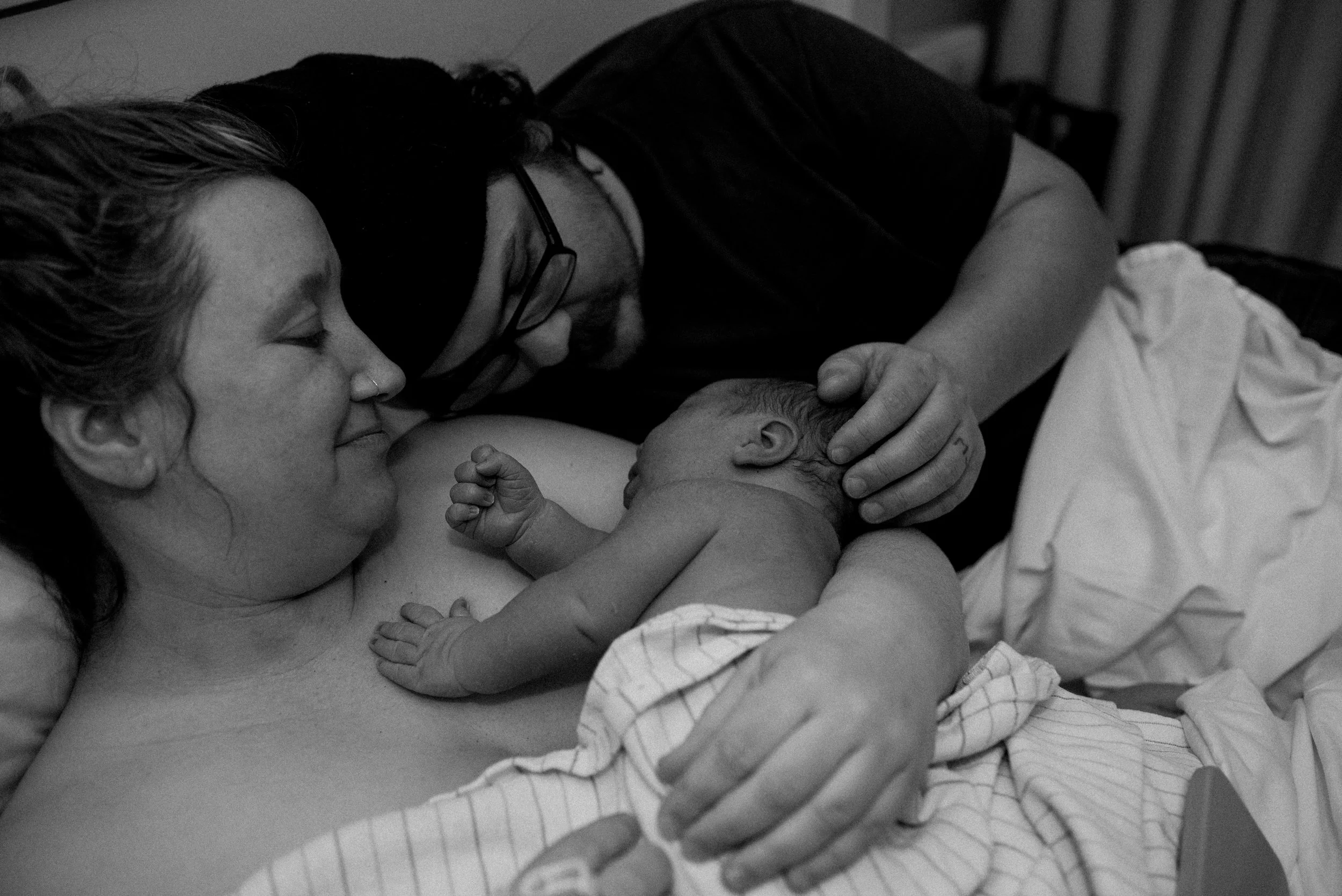
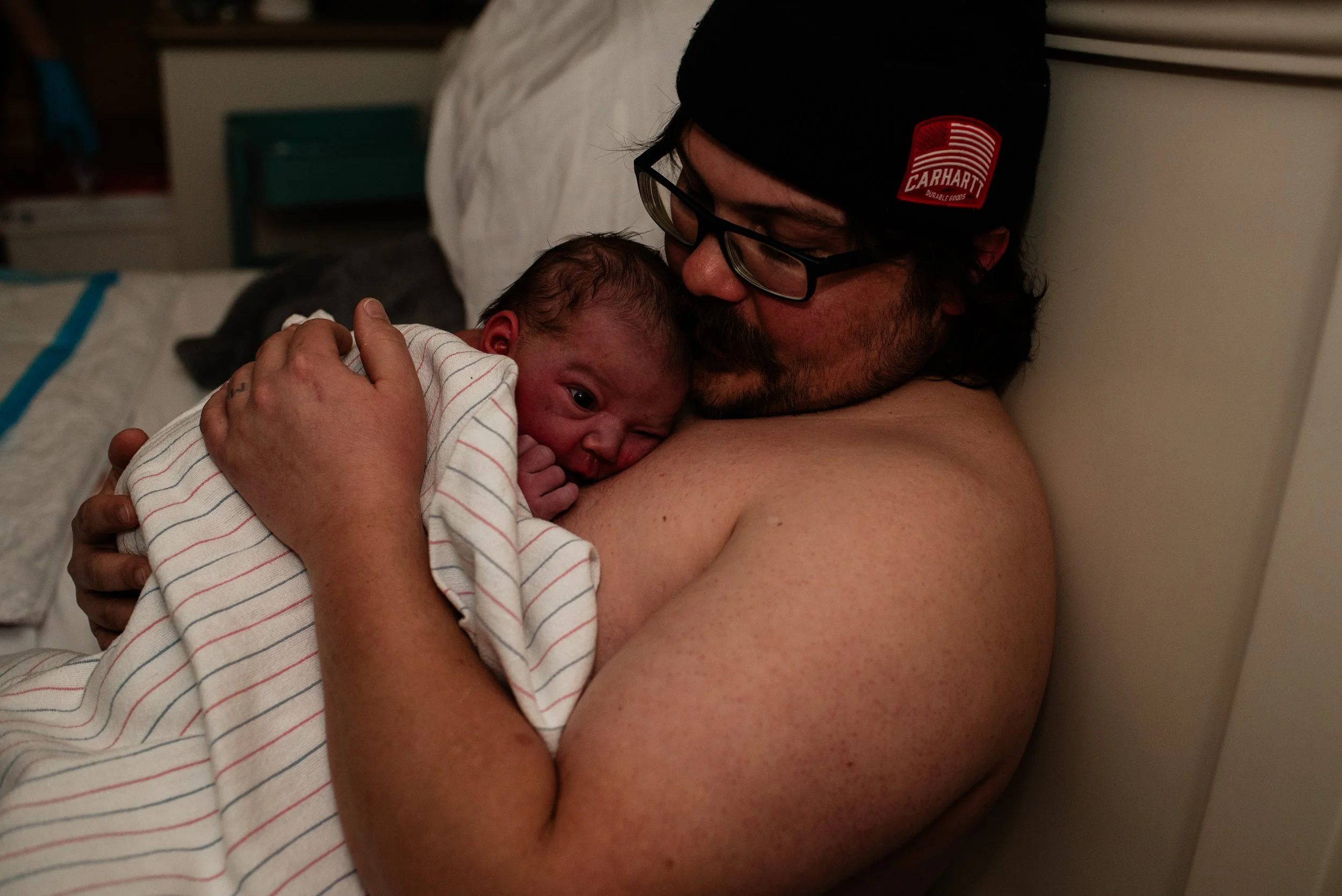
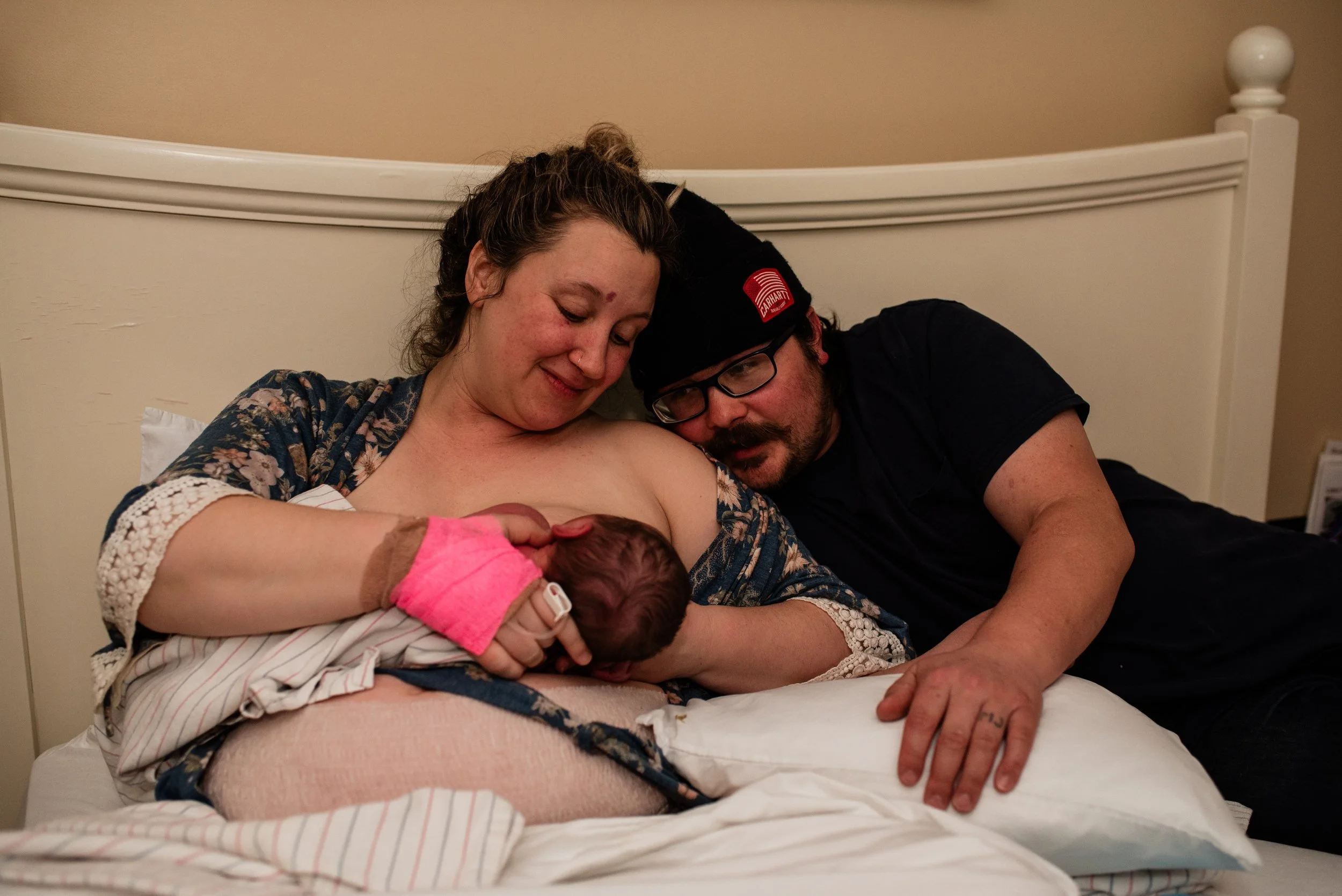
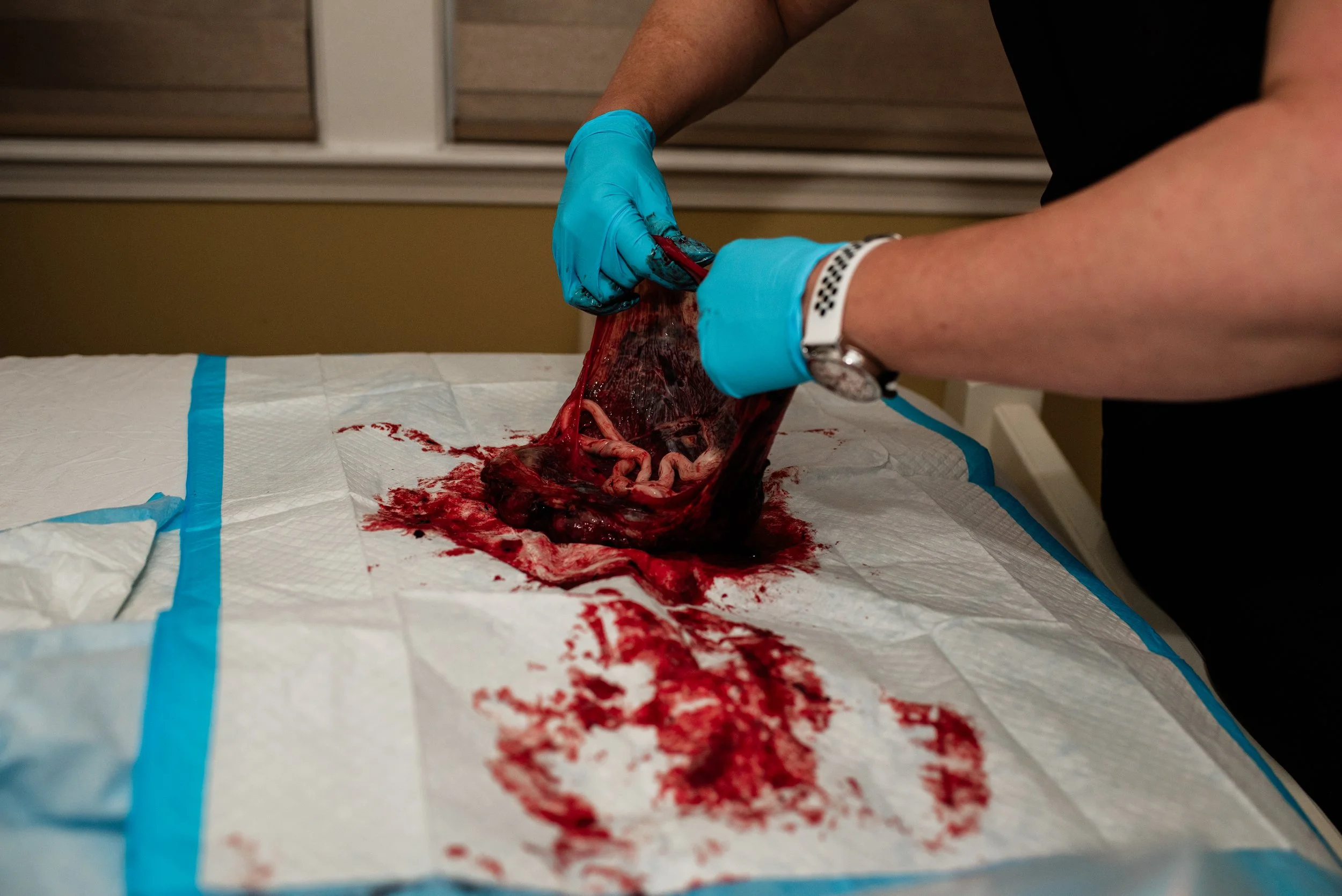
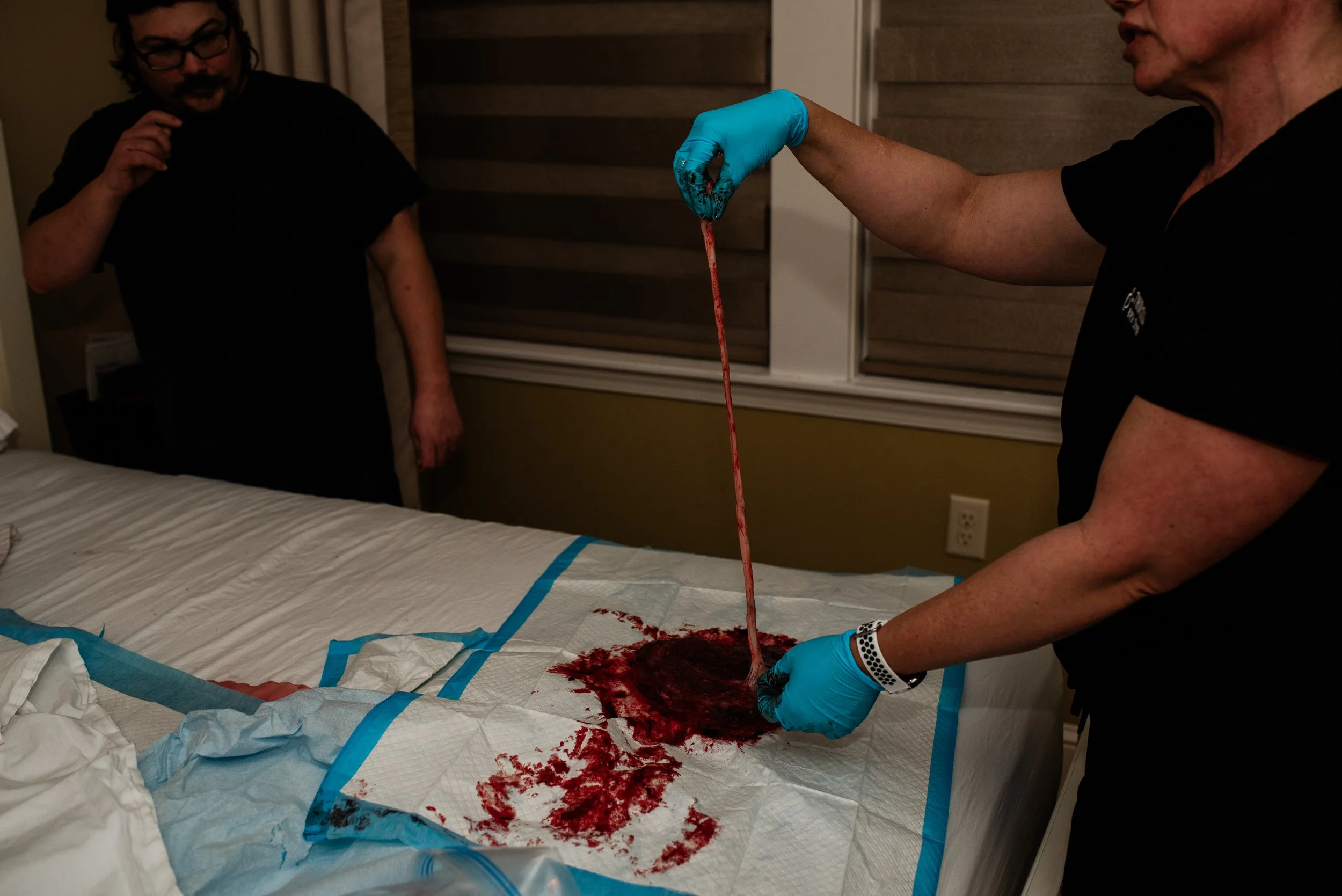
Born at Twin Cities Birth Center in St. Paul, Minnesota | A Preview of an Empowering Birth With Shoulder Dystocia and Neonatal Resuscitation in Photographs
Doula + Birth Photography: Gather Birth
Birthing Location: Twin Cities Birth Center
When families choose their birthing location and team, thoughts around safety is usually top priority. What feels safe to one family, may feel the opposite to another family for a variety of reasons.
Birthing families in the Twin Cities choose between hospital, home birth, or birth center (out-of-hospital) for their prenatal, birth and postpartum care. For folks with low-risk pregnancies and preparing to birth unmedicated- home birth or birth center are excellent options. Unfortunately, they are often overlooked related to assumptions about safety.
As experienced doulas and birth photographers in Minneapolis/St. Paul, Minnesota- we’ve supported and documented births in all types of locations. No single type of location is the safest. What feels safest is unique to each family based on their lived experiences. Safe care also comes down to experience and training of the medical professionals present and equipment available in that environment. As the NICU nurse of the group, I especially have a discerning eye for how medical emergencies are managed physically and emotionally for the birthing family.
There’s a general public opinion that hospital birth is safer “just in case” an emergency happens. What many people don’t realize, is that out-of-hospital providers (Midwives) in birth centers and home birth practices have all the necessary medications and equipment to navigate emergencies that can arise for low-risk birthing families (excluding known medical complexities for birthing parent or baby- which would require birthing in a hospital setting). They have oxygen, medications to manage postpartum bleeding, equipment to help babies breathe or start resuscitating if needed, etc. They also have the critical thinking and experience necessary to navigate various birth emergencies (shoulder dystocia, postpartum hemorrhage, etc). They are the experts of physiologic birth and also know when to transfer care to the hospital if circumstances change.
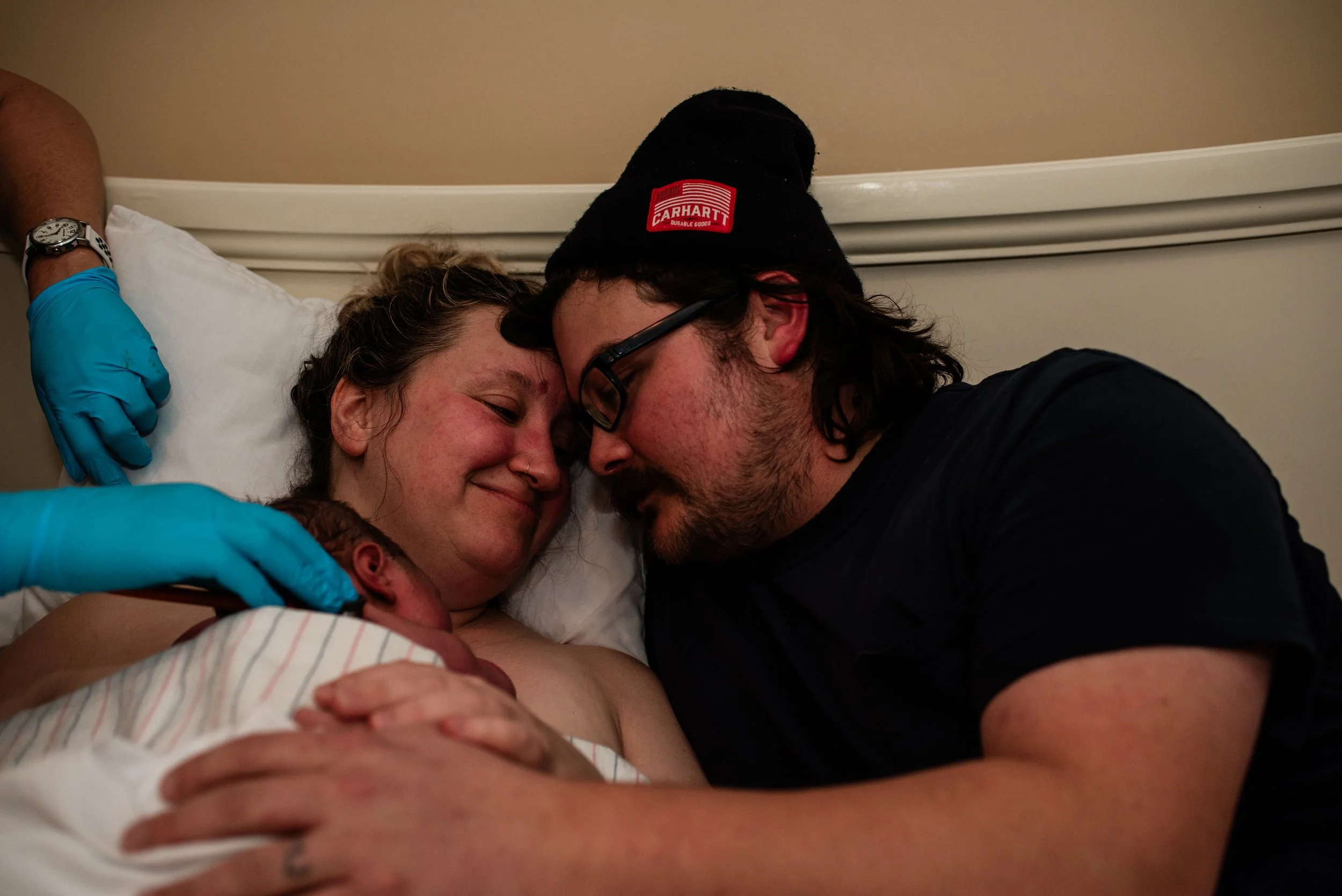
This family chose to birth their third baby at the Twin Cities Birth Center. During our doula prenatal meeting, I got a good feel for what was important to them for this birth, knowing various circumstances and events during their previous births. What happens in one birth, doesn’t guarantee to repeat itself- but it does help inform mental and physical preparation for the birthing family and team. This birth was so much more than the critical events immediately before and after babe’s birth- but the focus of this post centers safety in out-of-hospital Birth Center, so that is what I will mostly speak to.
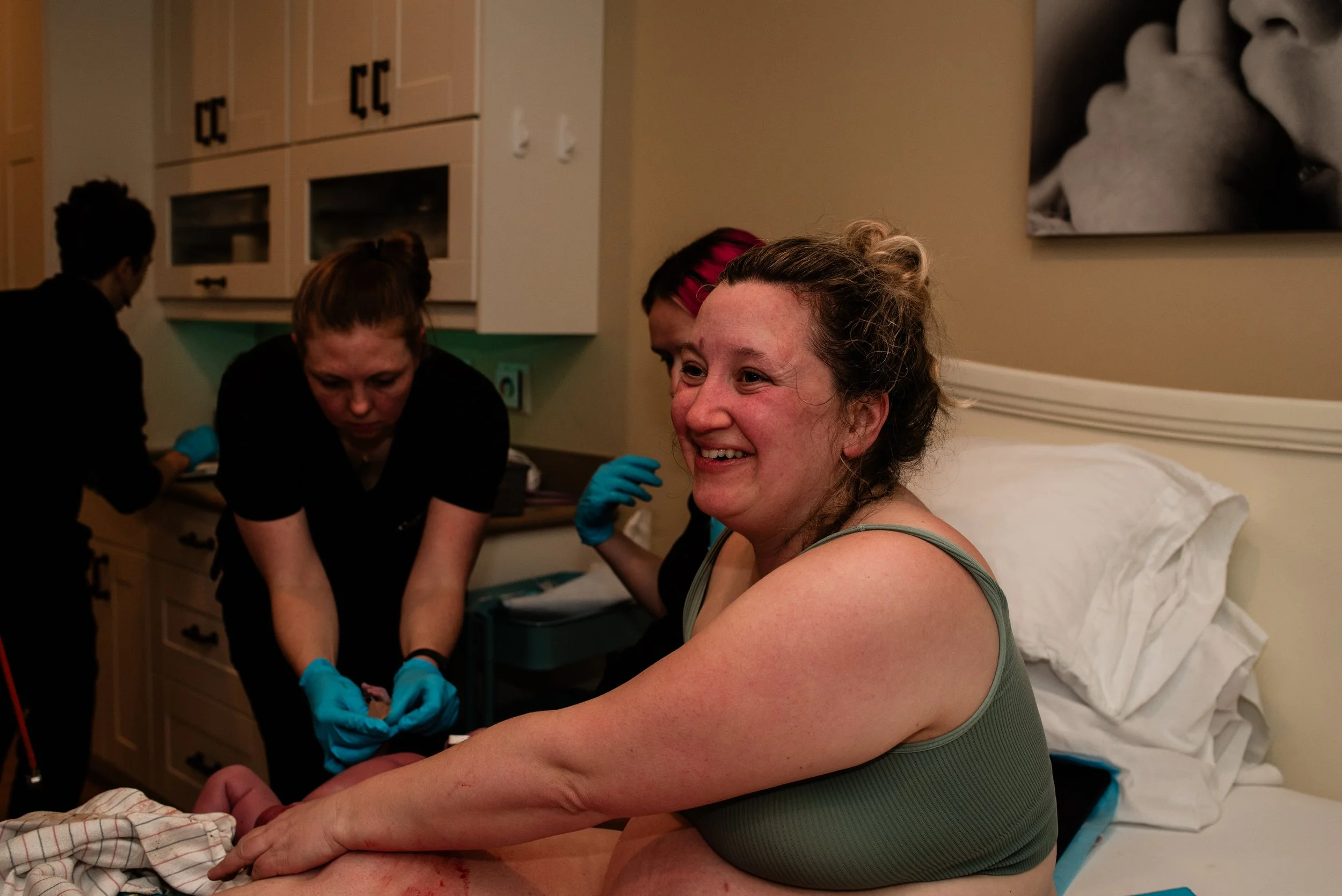
“I was truly shocked when it was already time to push because in the past I always felt so ‘far away’ mentally by the time I needed to push. And I think feeling more present just made everything feel safer and more grounded all together. And your (doula) calm reassuring presence was so helpful in keeping me grounded too.”
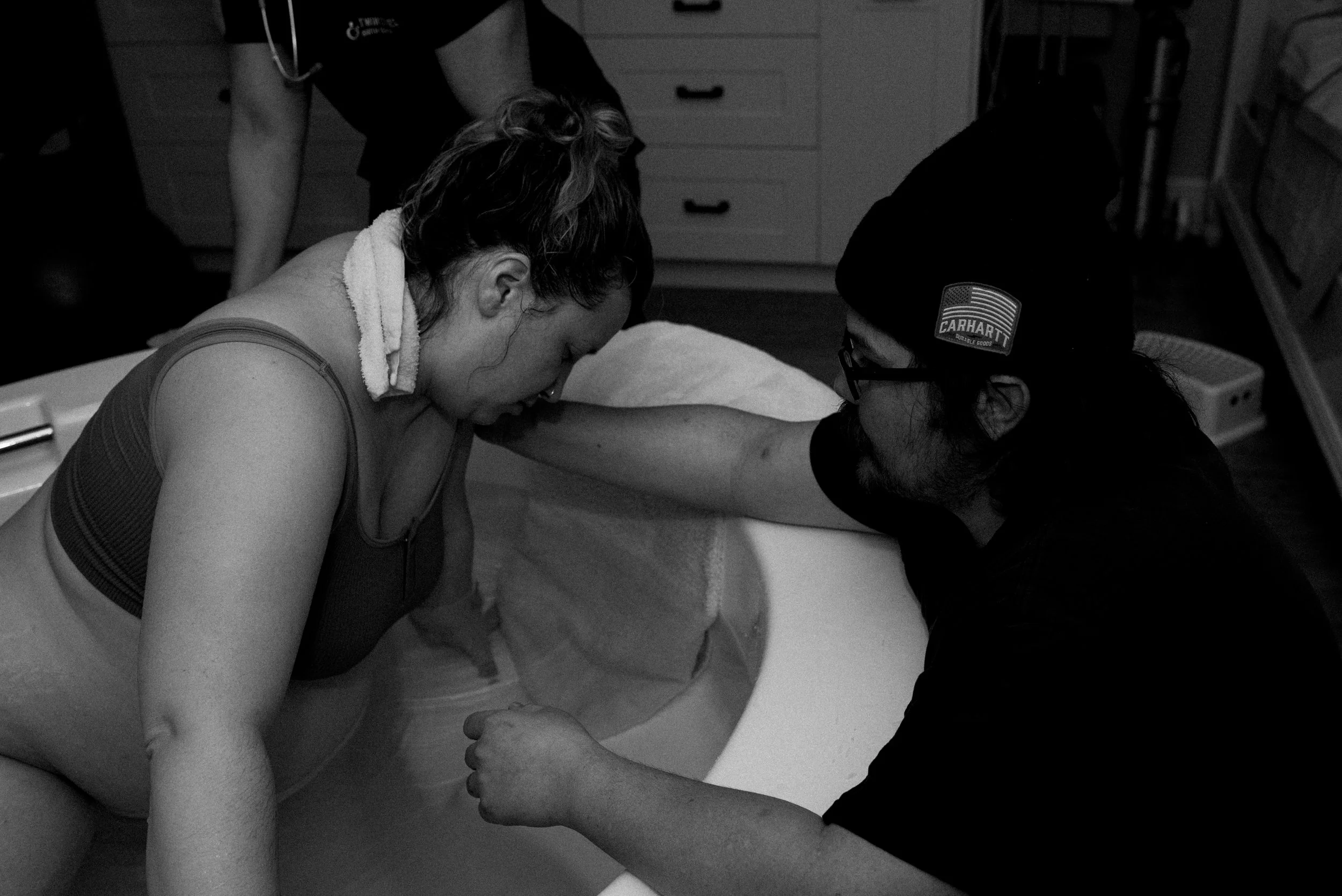
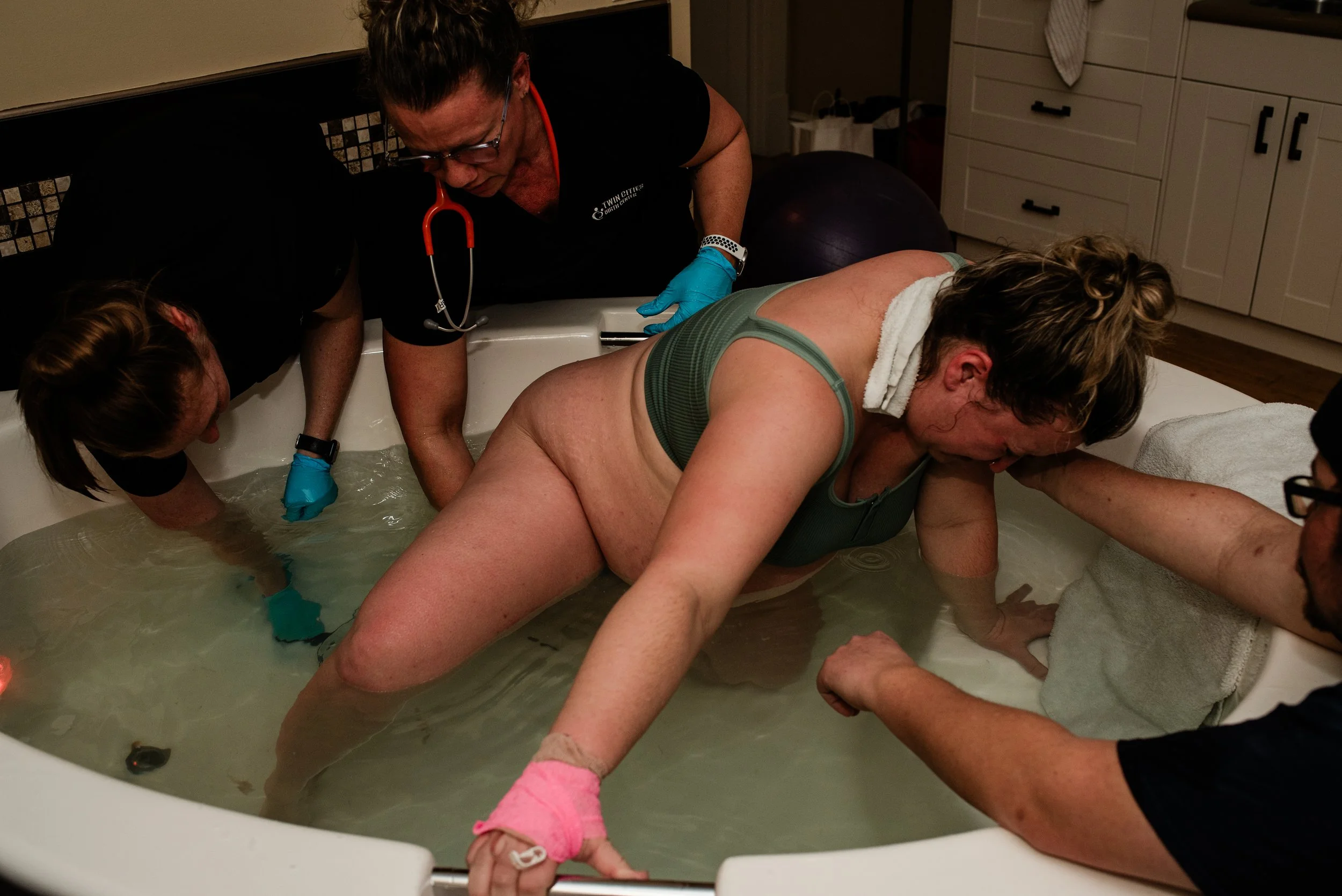
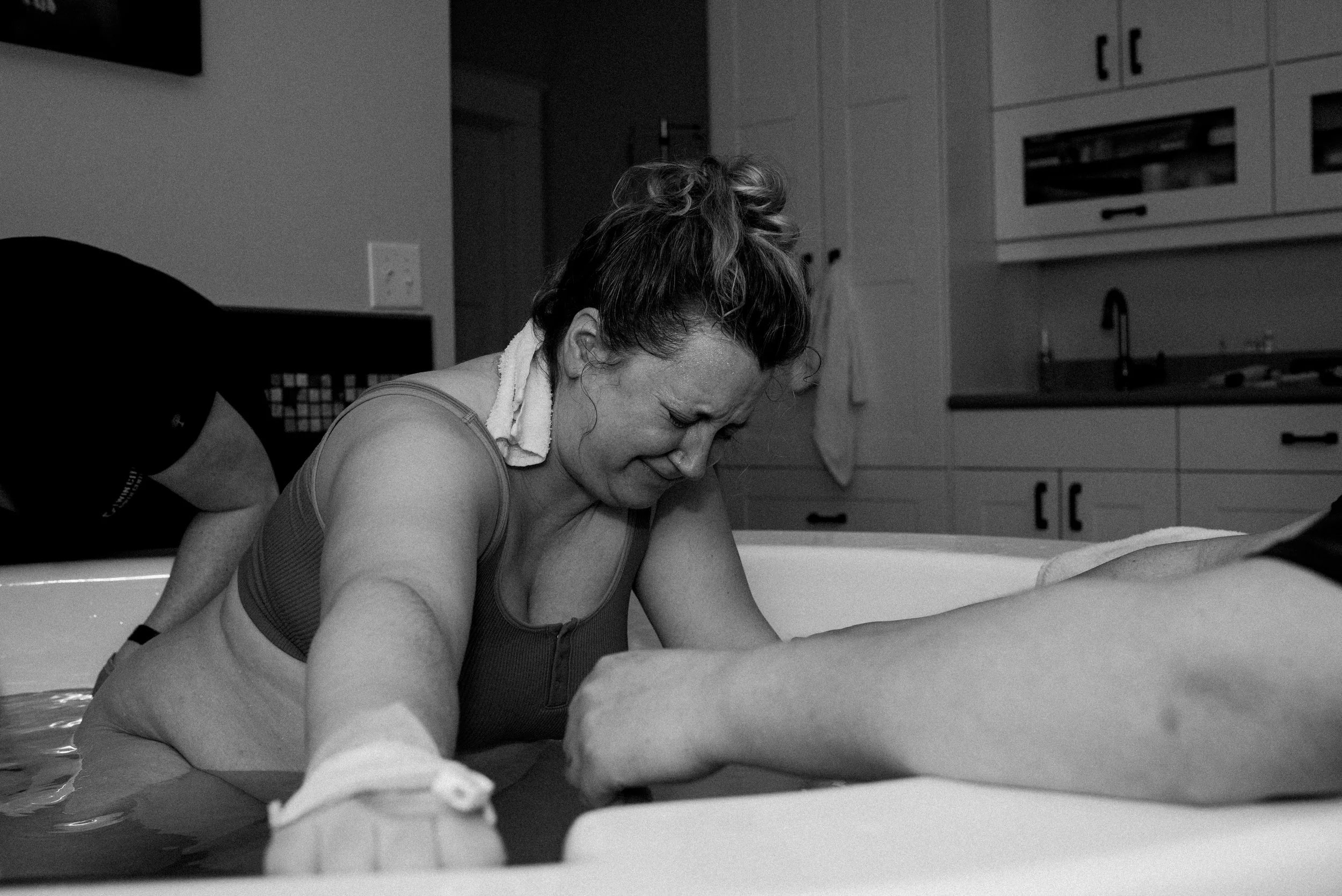
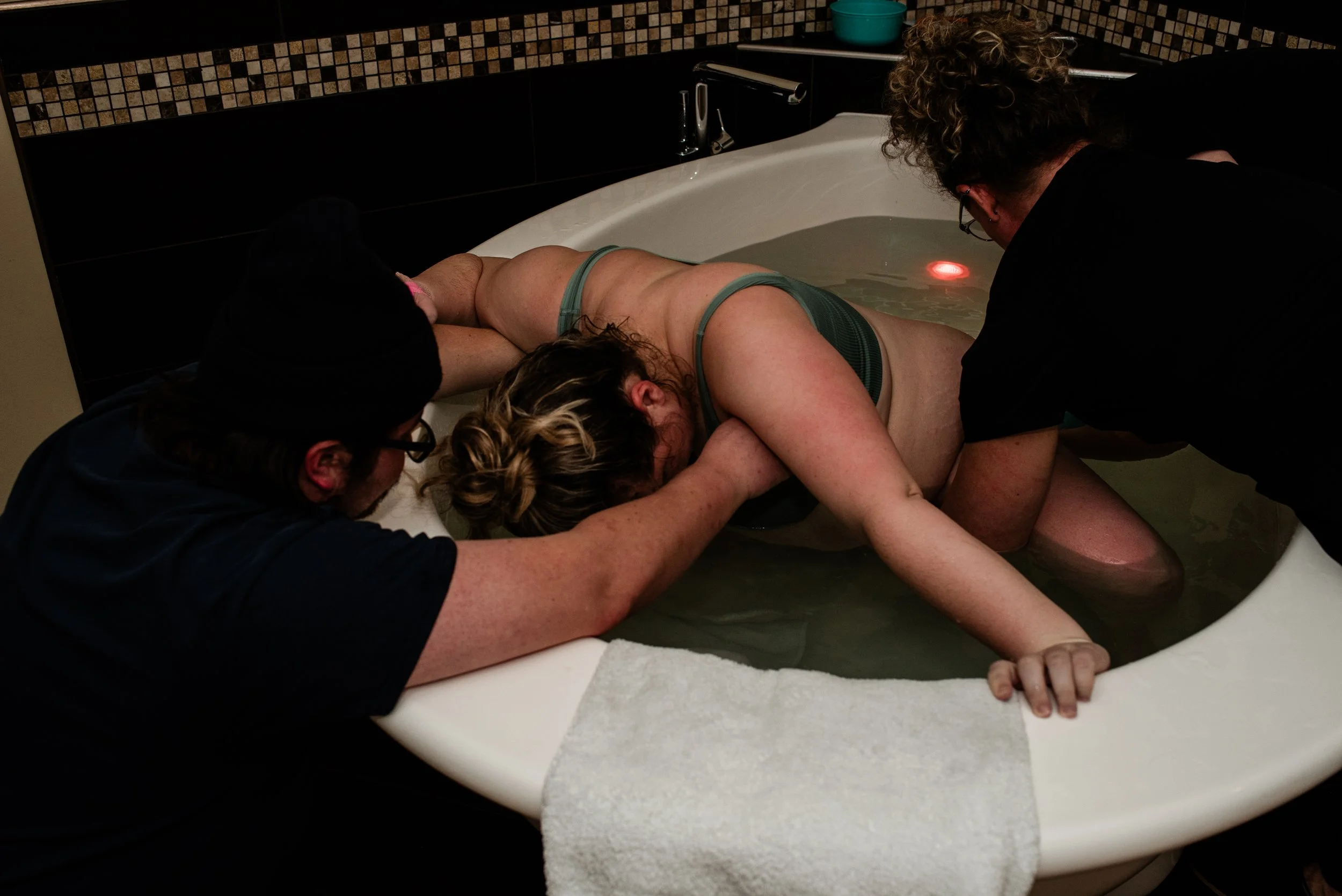
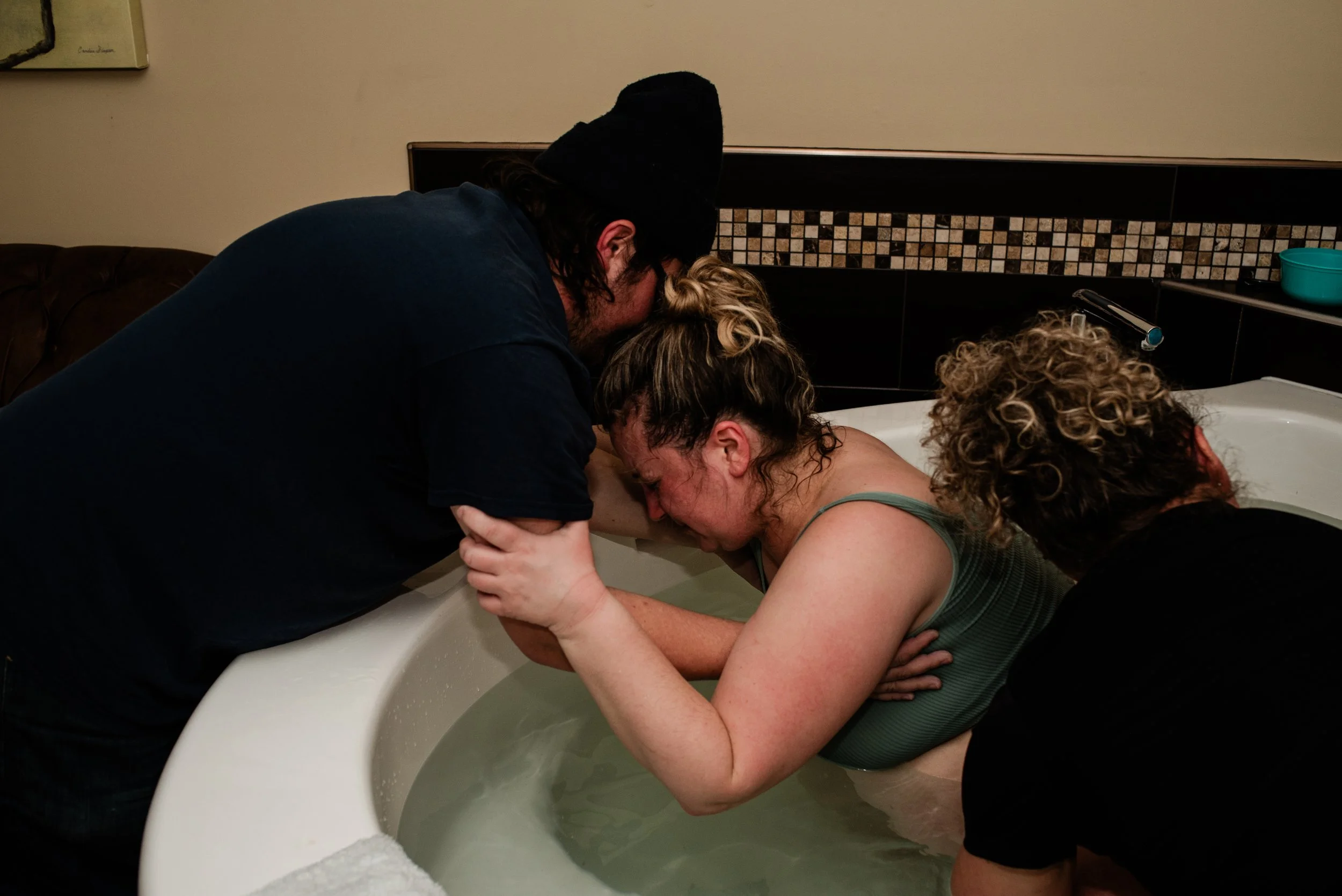
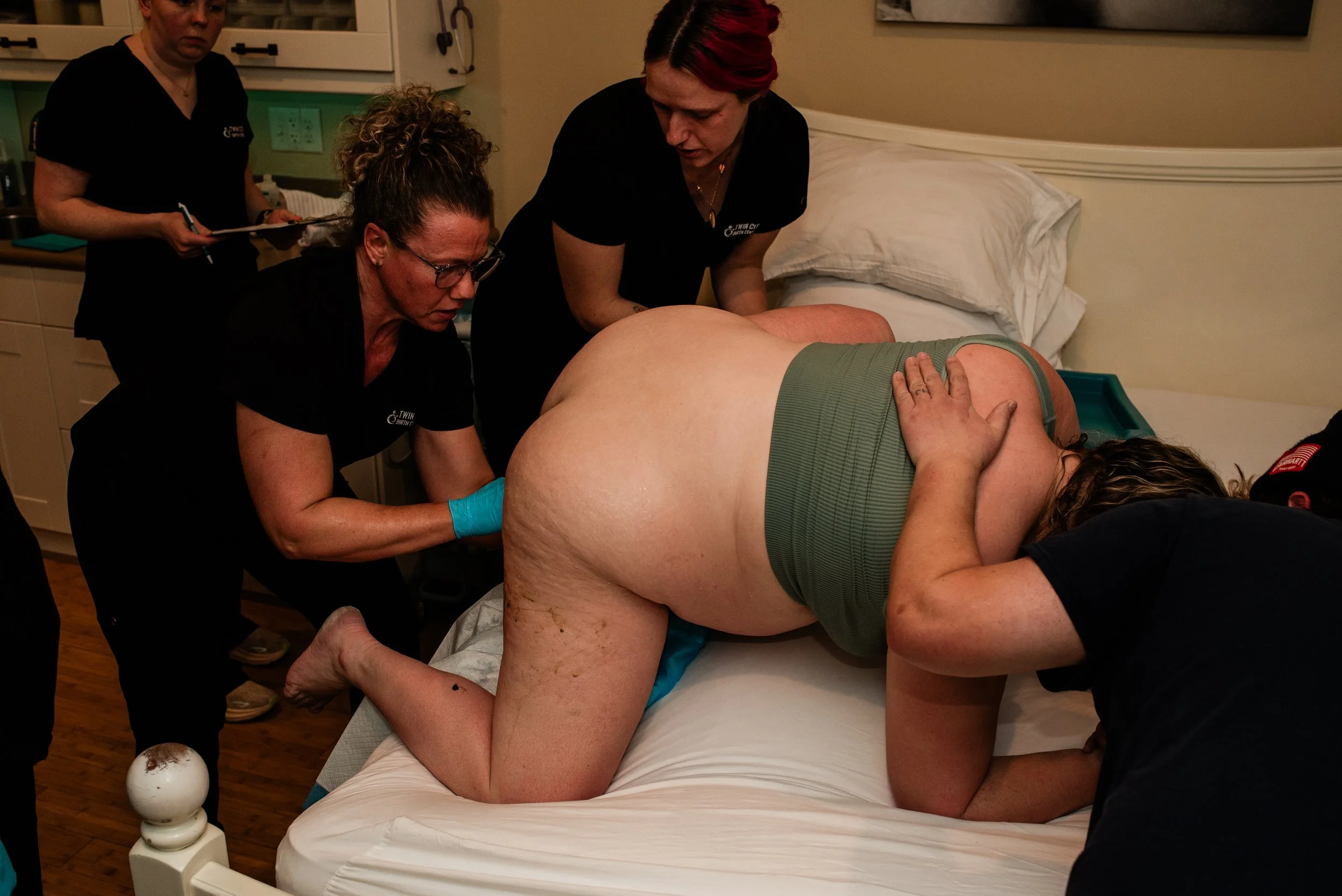
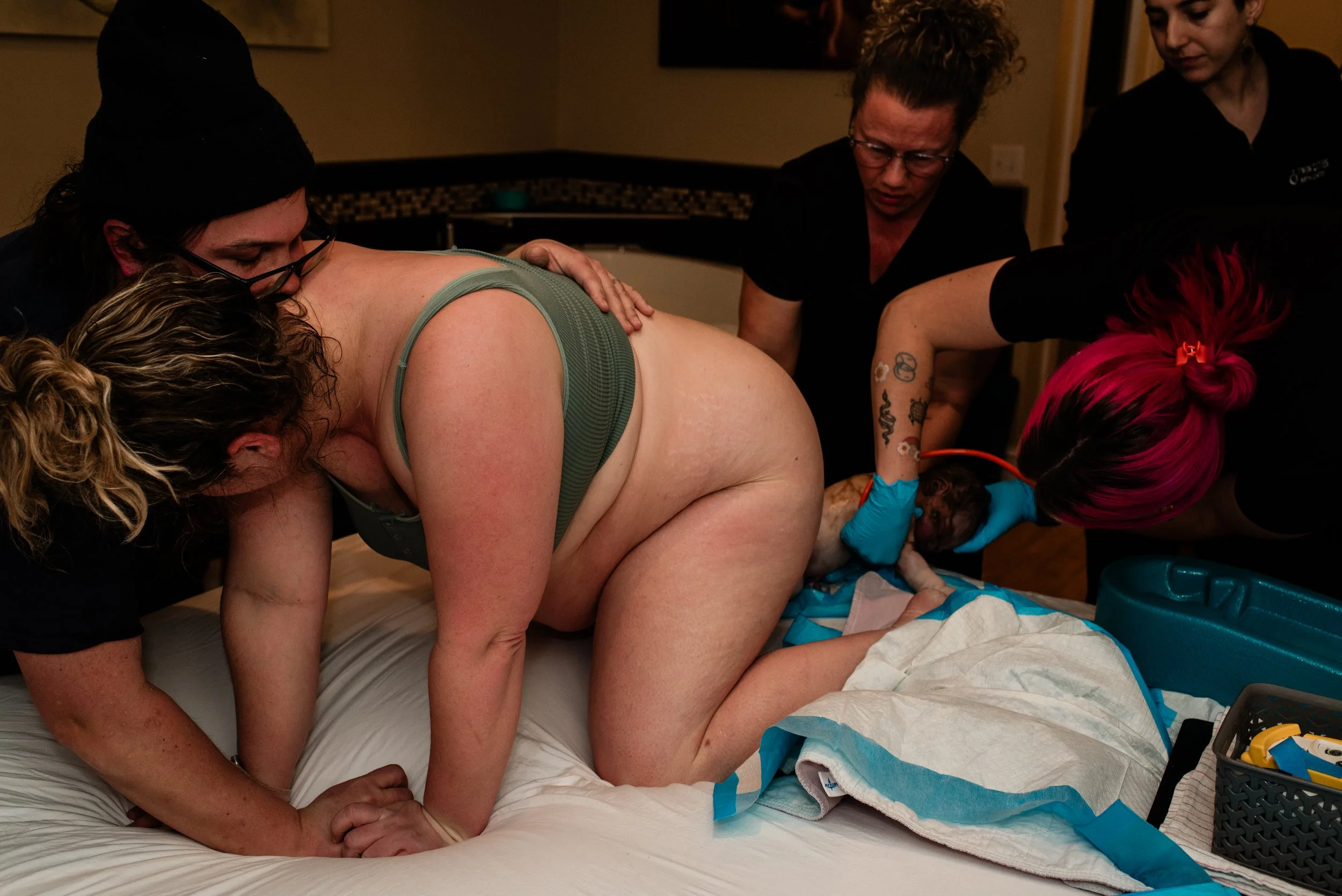
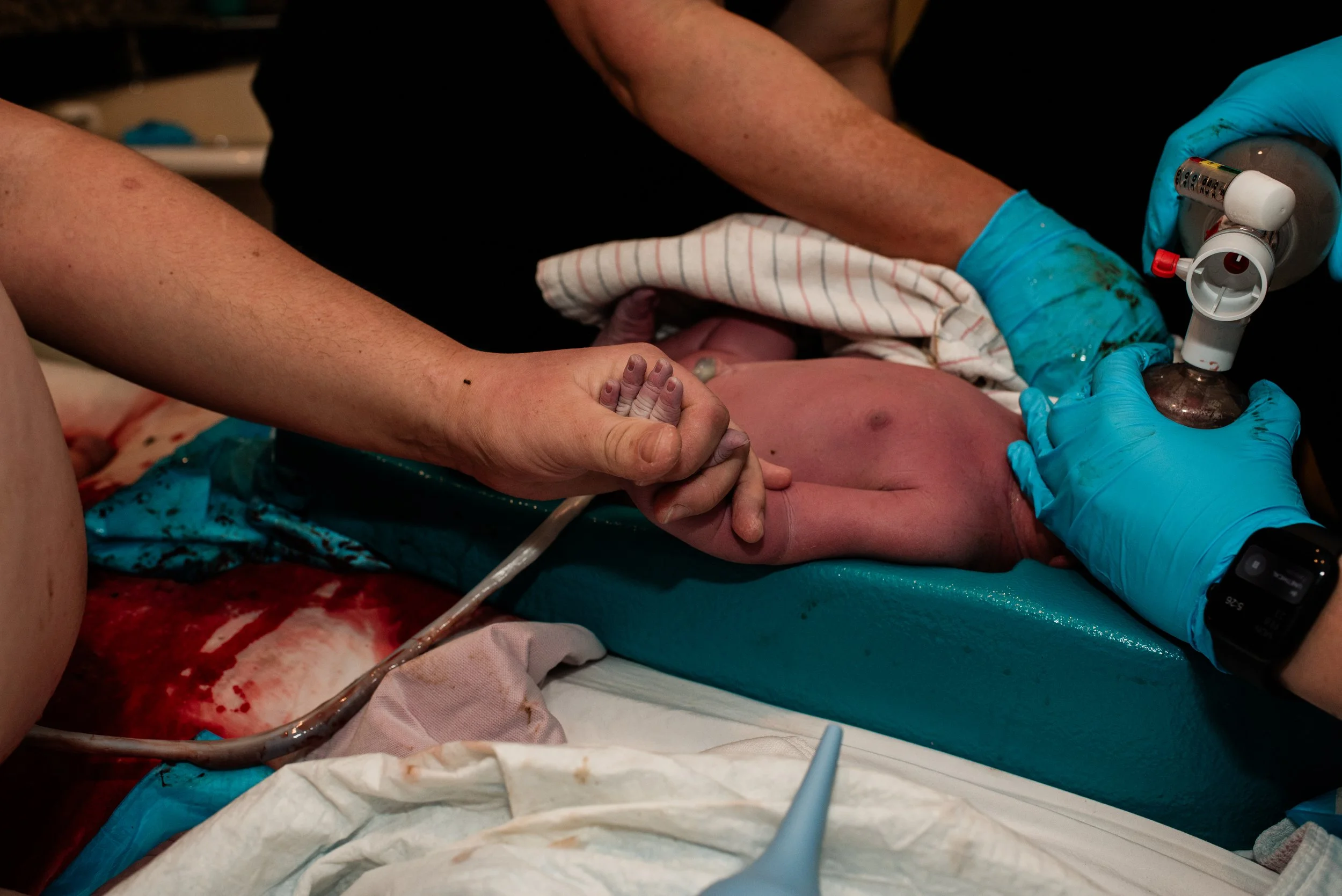
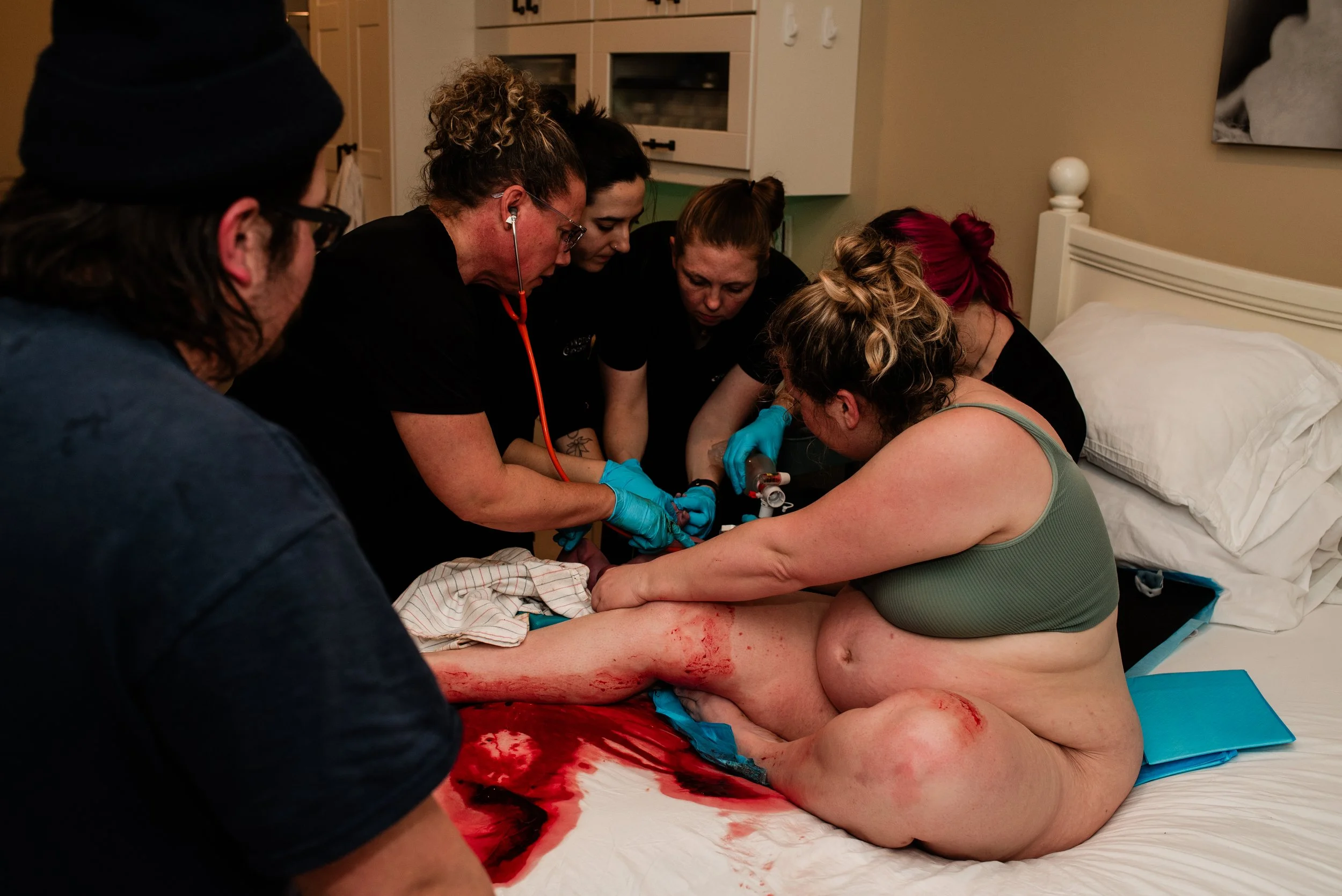
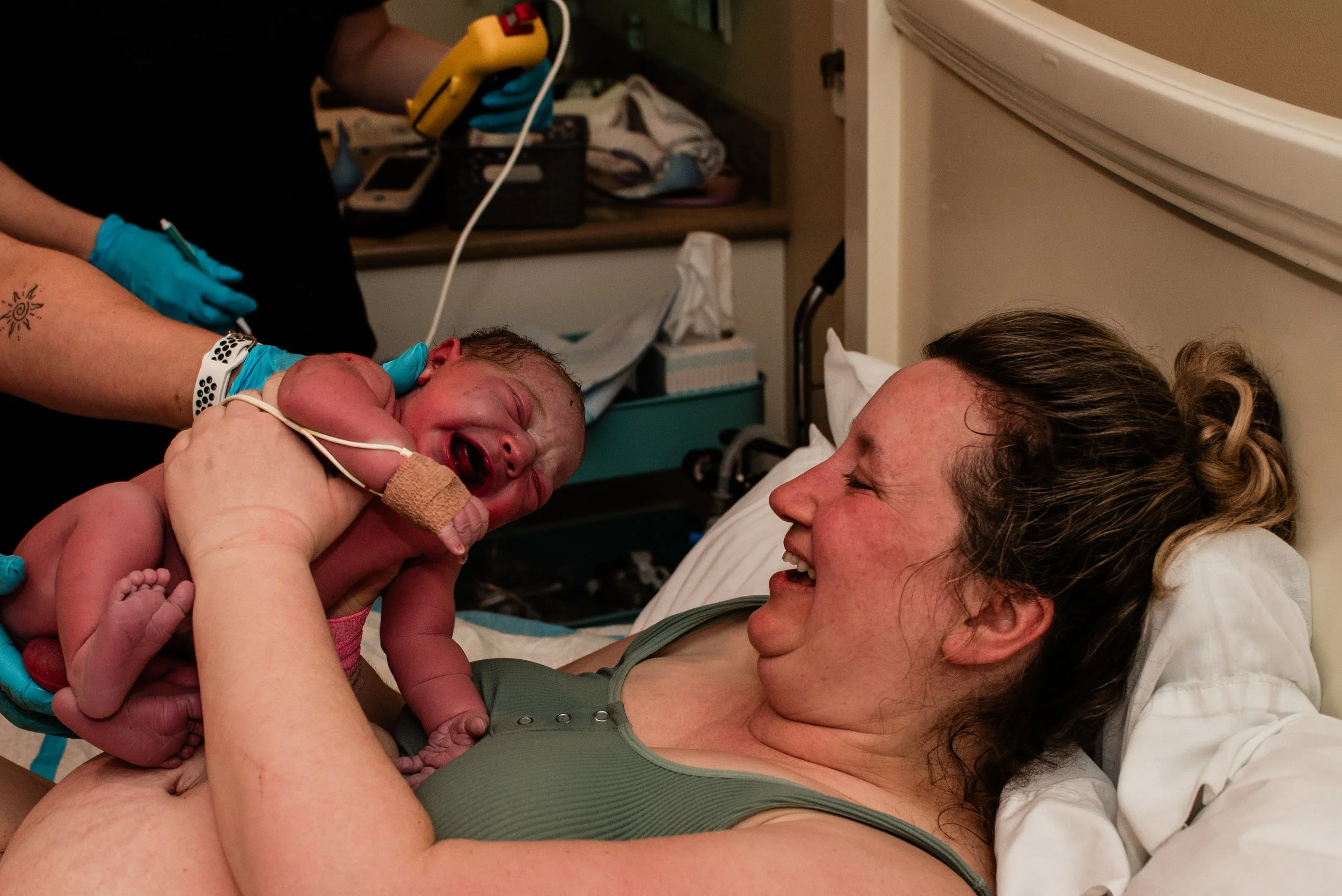
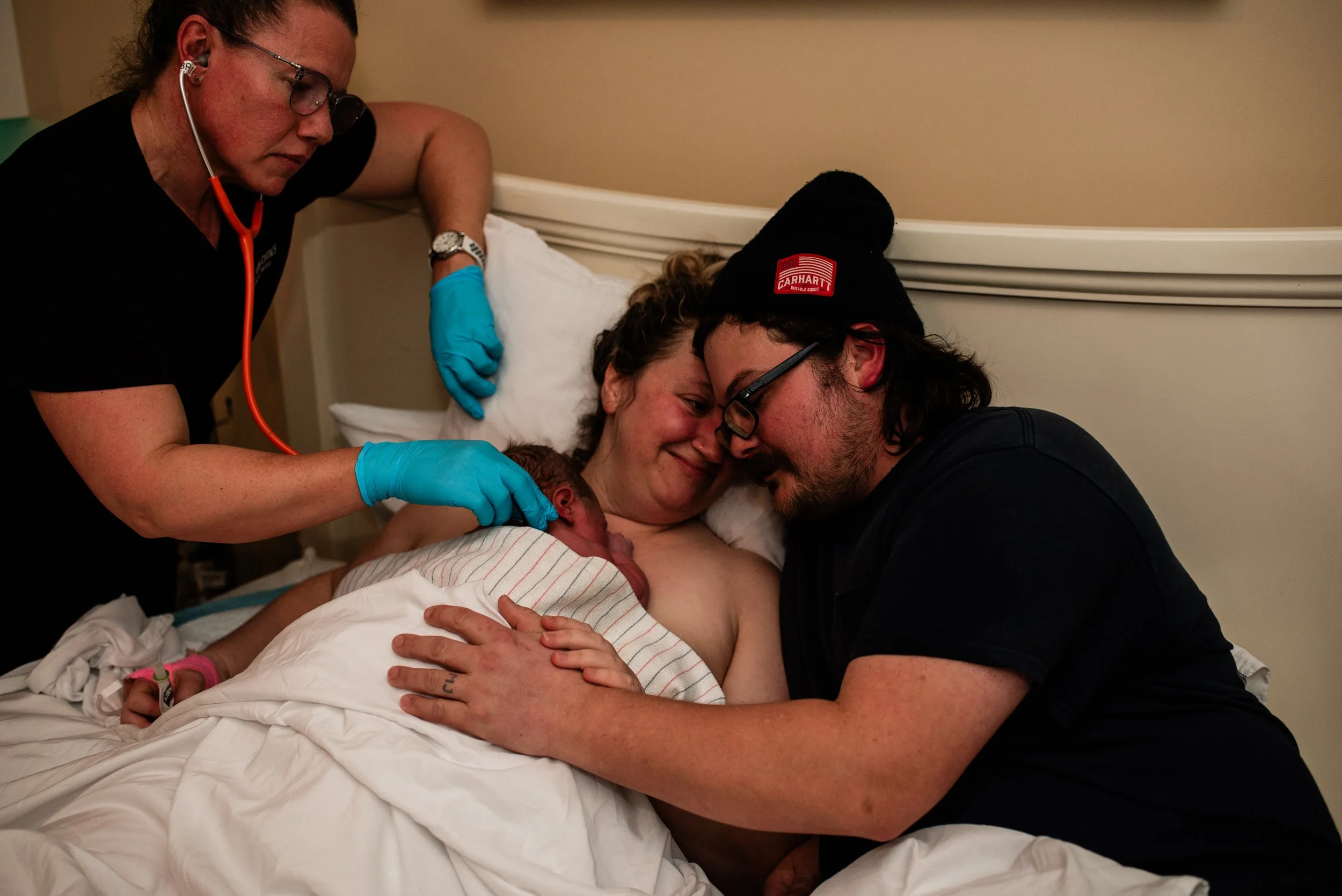
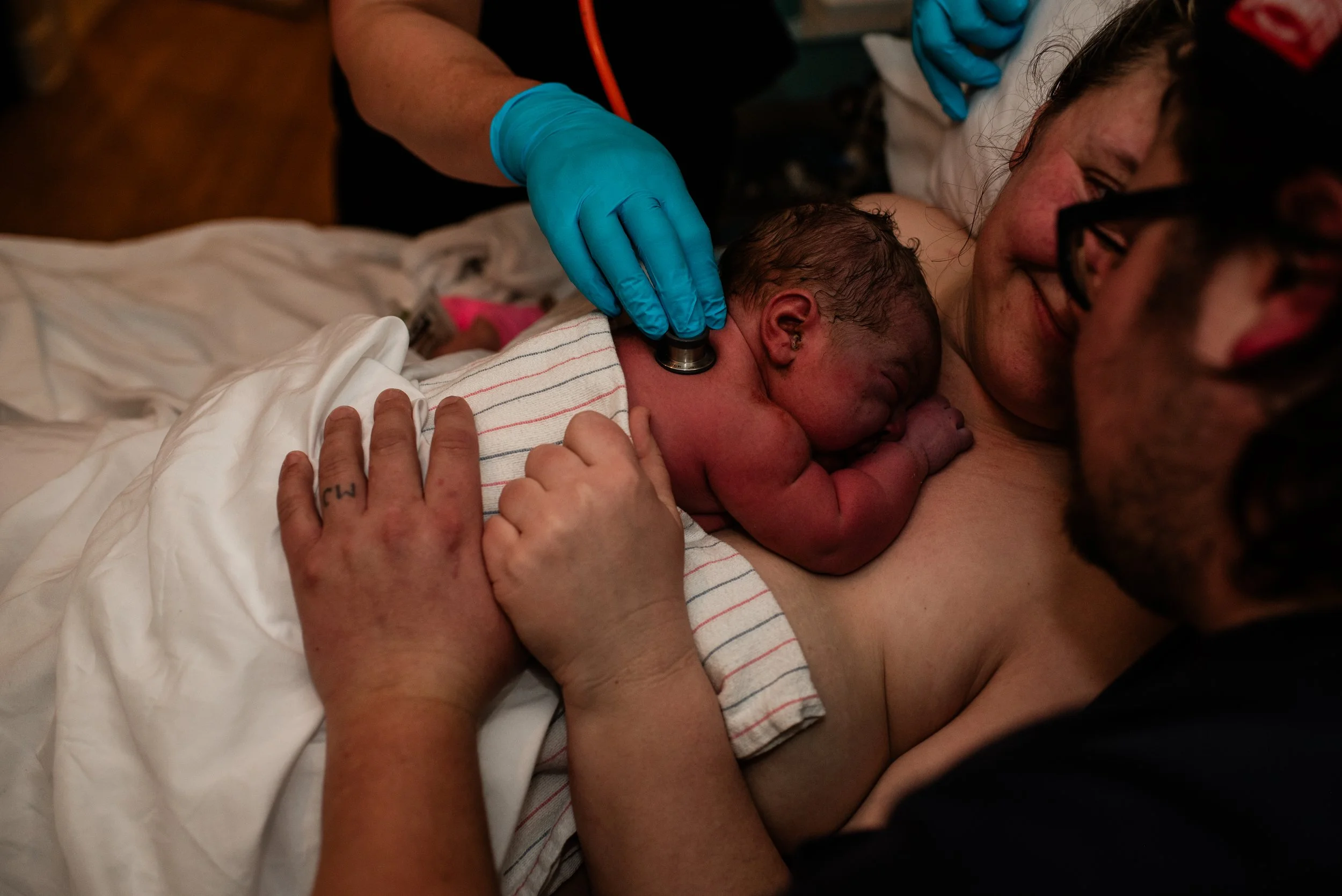
During pushing, the midwife recognized signs of shoulder dystocia. After initial position changes in the tub were unsuccessful, they calmly and confidently were guided to the bed to be able to do additional positions and manuevers to help their baby be born. When babies are born after shoulder dystocia, they are also more likely to need support breathing after birth. The team at TCBC acted quickly and effectively, followed NRP (Neonatal Resuscitation Protocol) and in collaboration with me as the doula, kept this family connected and informed the entire time while their baby needed breathing support.
In a hospital setting, when breathing support is necessary for baby- the umbilical cord is clamped and cut and baby is whisked over to the warmer as soon as possible. Most of the time, baby is out of view for the parents- and often updates about baby’s status is delayed due to proximity and other factors. This is one huge reason why doula support is so important for families. We are a source of constant emotional support for the birthing person and partner during critical moments of birth and postpartum. As a former NICU nurse, I know how important it is to parents to be informed when they’re separated from their baby. Naming all the things I can see about how baby is doing and/or what they are doing to support their baby in real time, is so imperative to how their birth will impact in their minds and bodies going forward.
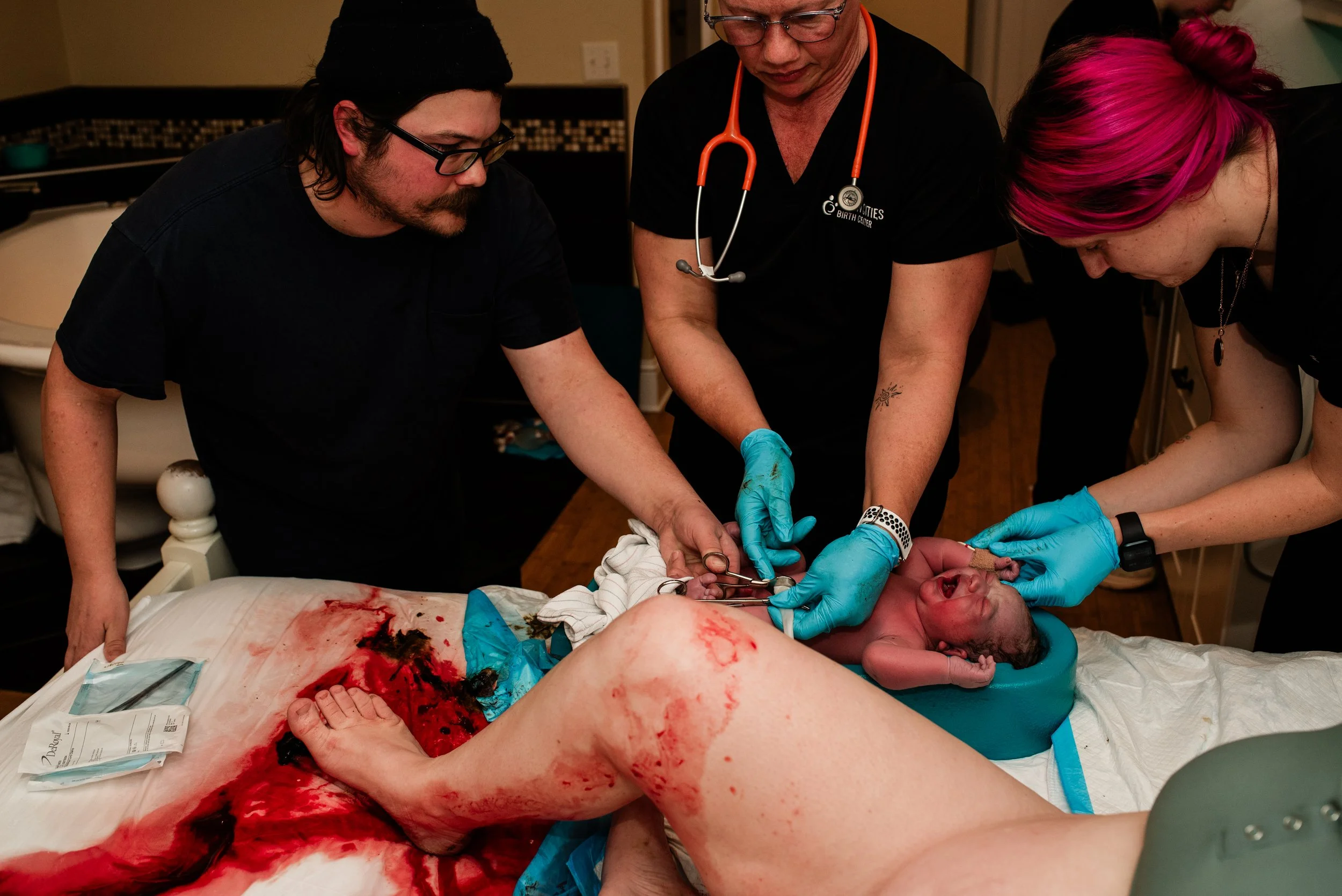
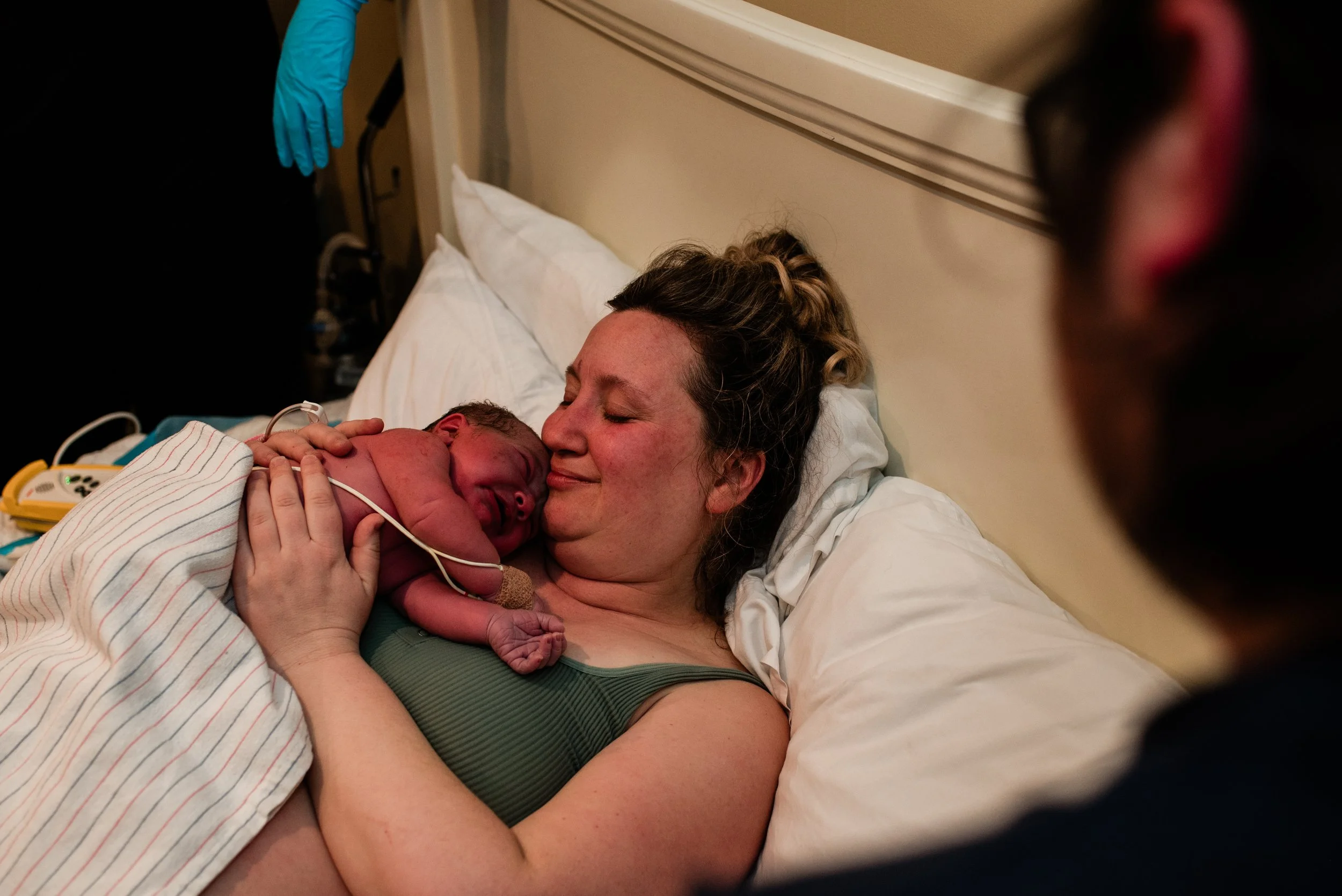
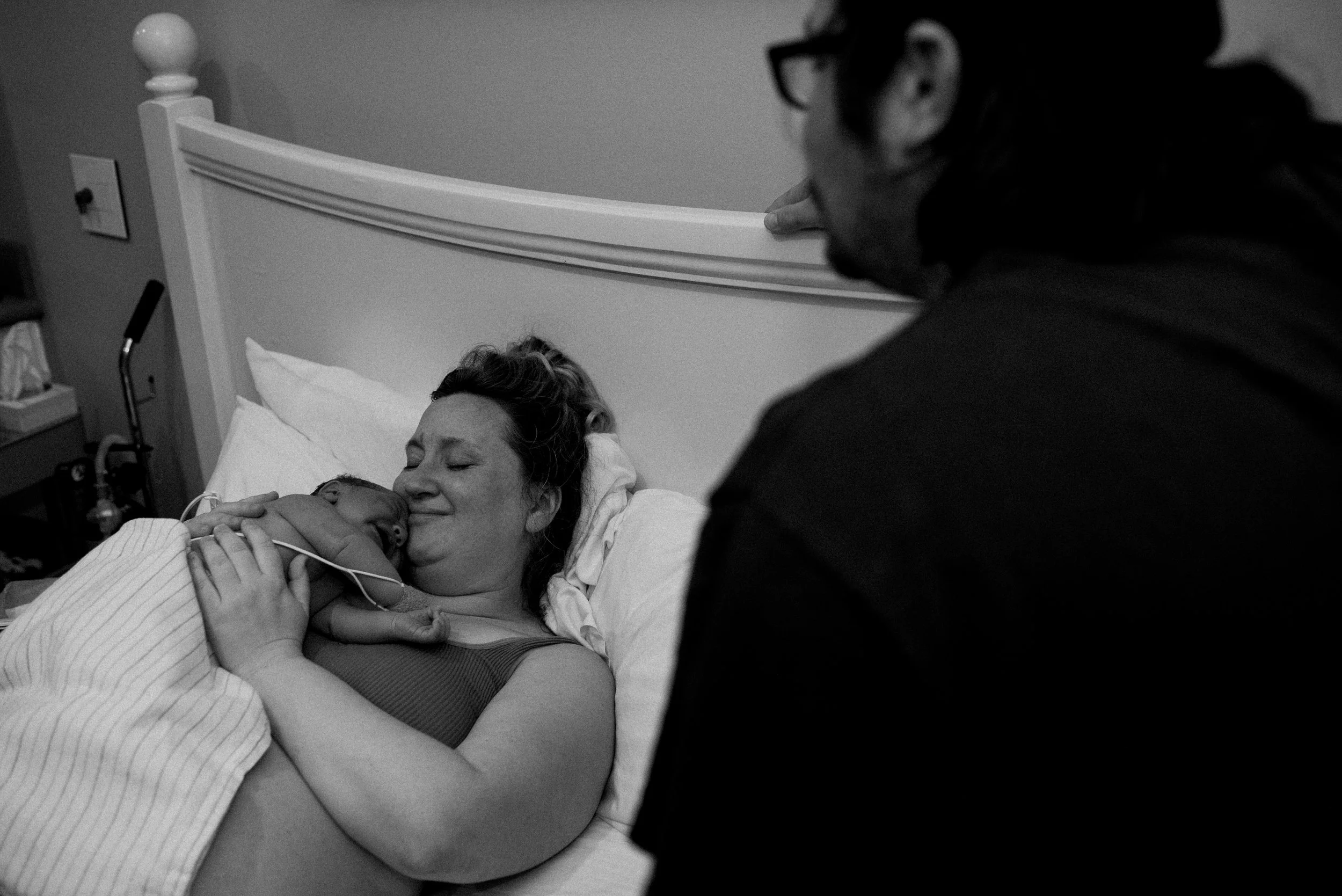
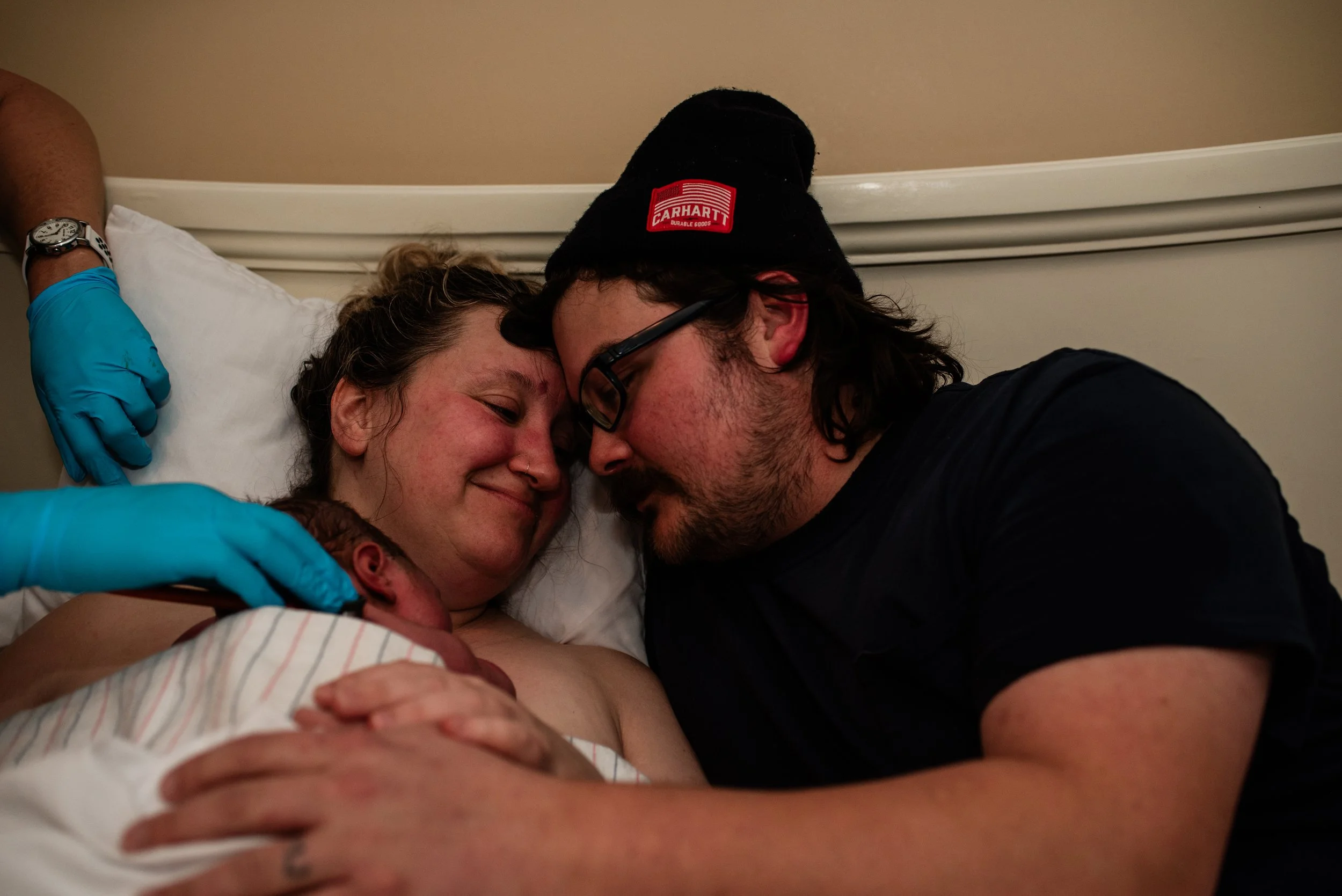
In contrast, in out-of-hospital birth center or home birth practices, resuscitation measures are usually done with the cord left intact, within a distance they can see, hear, and touch their baby. The family is physically closer to the medical staff, which is a big supportive factor in the team being able to communicate health status and interventions in real time with the family. Separation is non-existent in most cases, unless baby needs continued respiratory/other support and requires hospitalization.
“The more we talk about the birth, the more we are seeing it from the lens of gratitude for the midwifery model of care and we really felt like Belinda knew what she was doing, which made me feel safe in the moment and also in reflecting on it.”
In my former NICU nurse leadership role, I helped run emergency drills- so, inherently, I analyze every birth that requires resuscitation for the baby. I’m analyzing the effectiveness (are they following the steps/using equipment properly?) and how the environment feels for the family (are they communicating in a trauma-informed way?). Hospital does not automatically equal better skill. The emergency/resuscitation pictured below was truthfully, one of the best I’ve seen regardless of location.
There is so much power in sharing birth stories and birth photography. Through both, we can bring more awareness and understanding. Thank you to this family for sharing hard circumstances of your birth and how safety looked and felt like at a free-standing birth center.
xo, Britt + the rest of the Gather Birth team
Welcome to the world, little one!